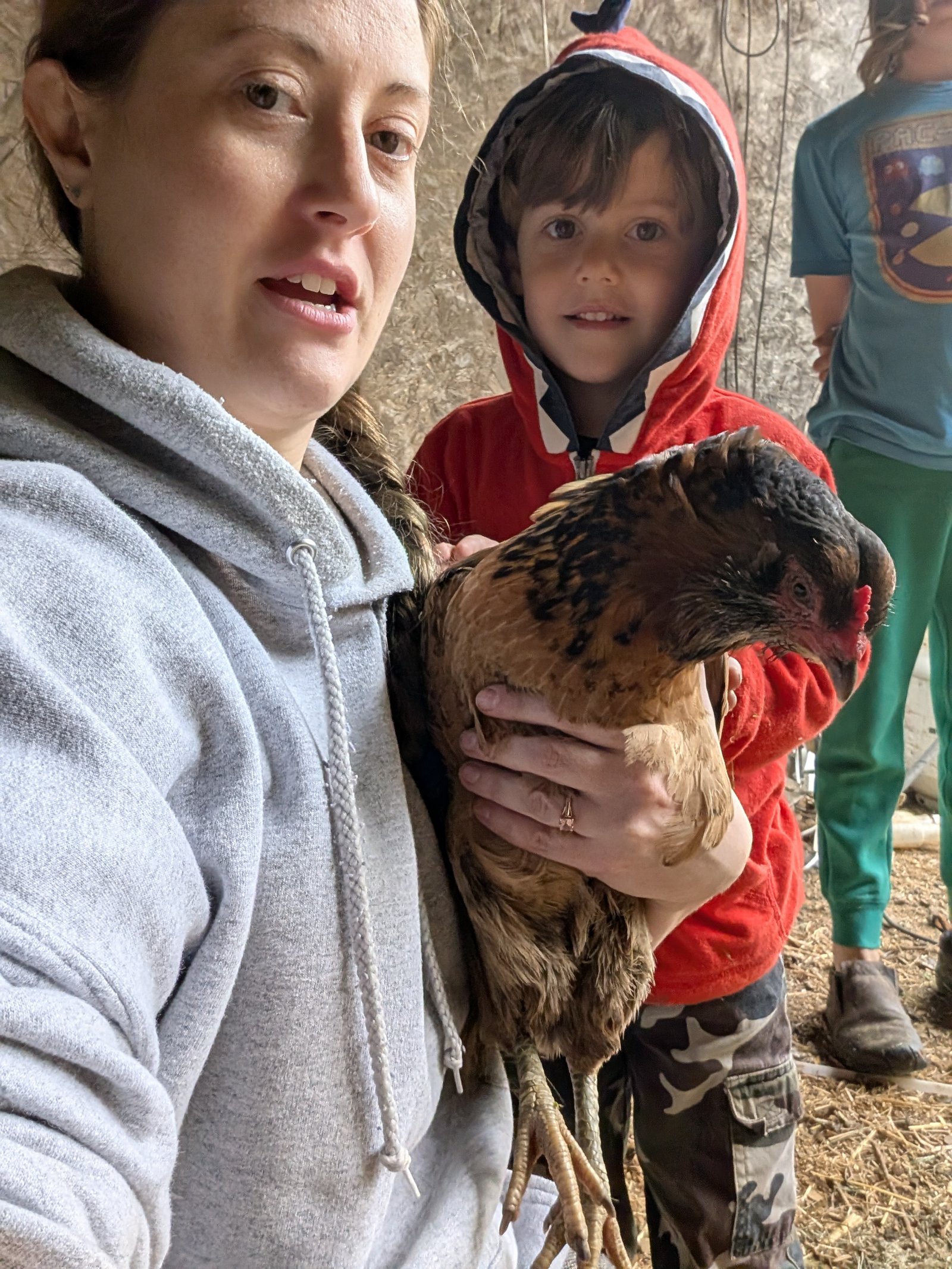
Some of you have known me online for years.
Some of you found me five minutes ago and are probably wondering what exactly a Crop Circuit is.
So this feels like the right place to start.
Hi. I’m Casey Armstrong.
I’m an animal science graduate, former park ranger, former dairy farmer, lifelong observer of animals and ecosystems, compulsive question-asker, builder of strange systems, and someone who has spent most of my life trying to understand one basic thing:
How do living things actually work together?
Not just machines.
Not just farms.
Not just people.
Systems.
Relationships.
Behavior.
Feedback loops.
The invisible little conversations happening between soil, water, plants, animals, technology, weather, economics, and human beings.
Crop Circuit grew out of that obsession.
But it also grew out of something much more personal.
For years, I worked jobs that put me close to the living world.
I studied Animal Science at Michigan State.
I worked with horses, pigs, sheep, dairy cattle, wildlife, parks, researchers, and eventually robotic dairy systems.
For six years I worked as a Michigan park ranger.
Later, I found myself on a dairy farm working alongside Lely robots.
And something clicked.
Here were cows — complicated, emotional, biological creatures — interacting voluntarily with machines.
The robots weren't replacing the animals.
The animals weren't being forced to behave like machines.
When the system worked well, technology adapted itself around biology.
The cow decided when she wanted to be milked.
Sensors watched patterns humans would never have time to notice.
The machine gathered information.
The farmer learned from it.
Animal behavior became data, and data became better care.
I loved it.
I remember thinking:
This is what technology is supposed to feel like.
Not technology fighting nature.
Technology listening to it.
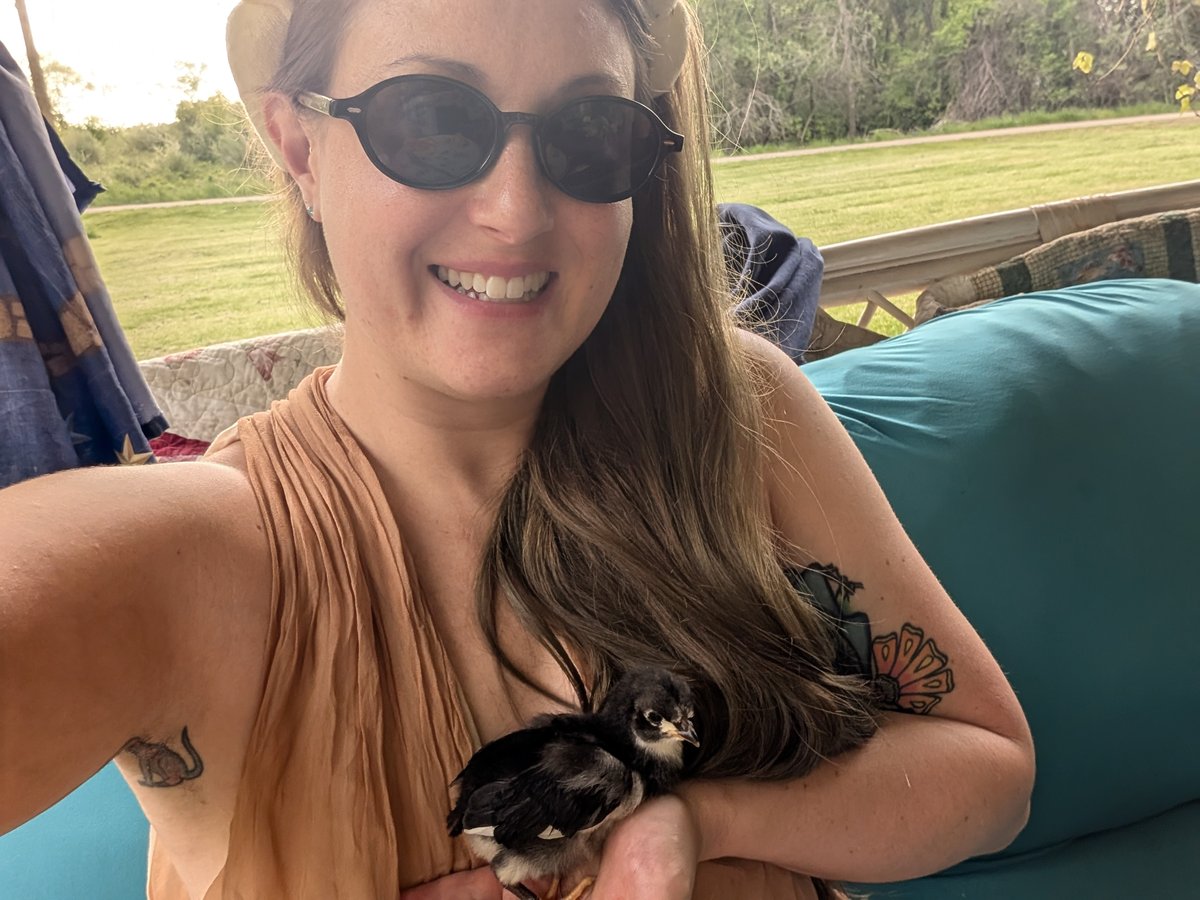
The farm has always started with attention to the animals in front of me.
That idea never really left me.
And eventually I started wondering what would happen if we applied that philosophy to an entire small farm.
What if a farm could function more like an ecosystem and less like a collection of disconnected chores?
What if the chicken coop knew when something was wrong?
What if grazing decisions could respond to actual pasture conditions?
What if water, soil, animals, weather, cameras, sensors, automation, and human observation could all become parts of the same conversation?
What if technology could reduce the exhausting parts of farming while leaving more room for the part that actually matters:
caring for living things?
That is Crop Circuit.
At least, that's the beginning of it.
My husband and I are now building a small farm in Michigan.
And I mean building in the extremely literal sense.
There is land.
There is mud.
There are building quotes.
There are plans covered in notes.
There are contractors and permits and spreadsheets and dreams that are currently much larger than our bank account.
Eventually there will be sheep.
Goats.
Chickens.
Ducks.
Bees.
Gardens.
Wetlands.
Trees.
Workshops.
Experiments.
Sensors.
Robots.
Probably a ridiculous number of cameras.
And undoubtedly several systems I haven't even imagined yet.
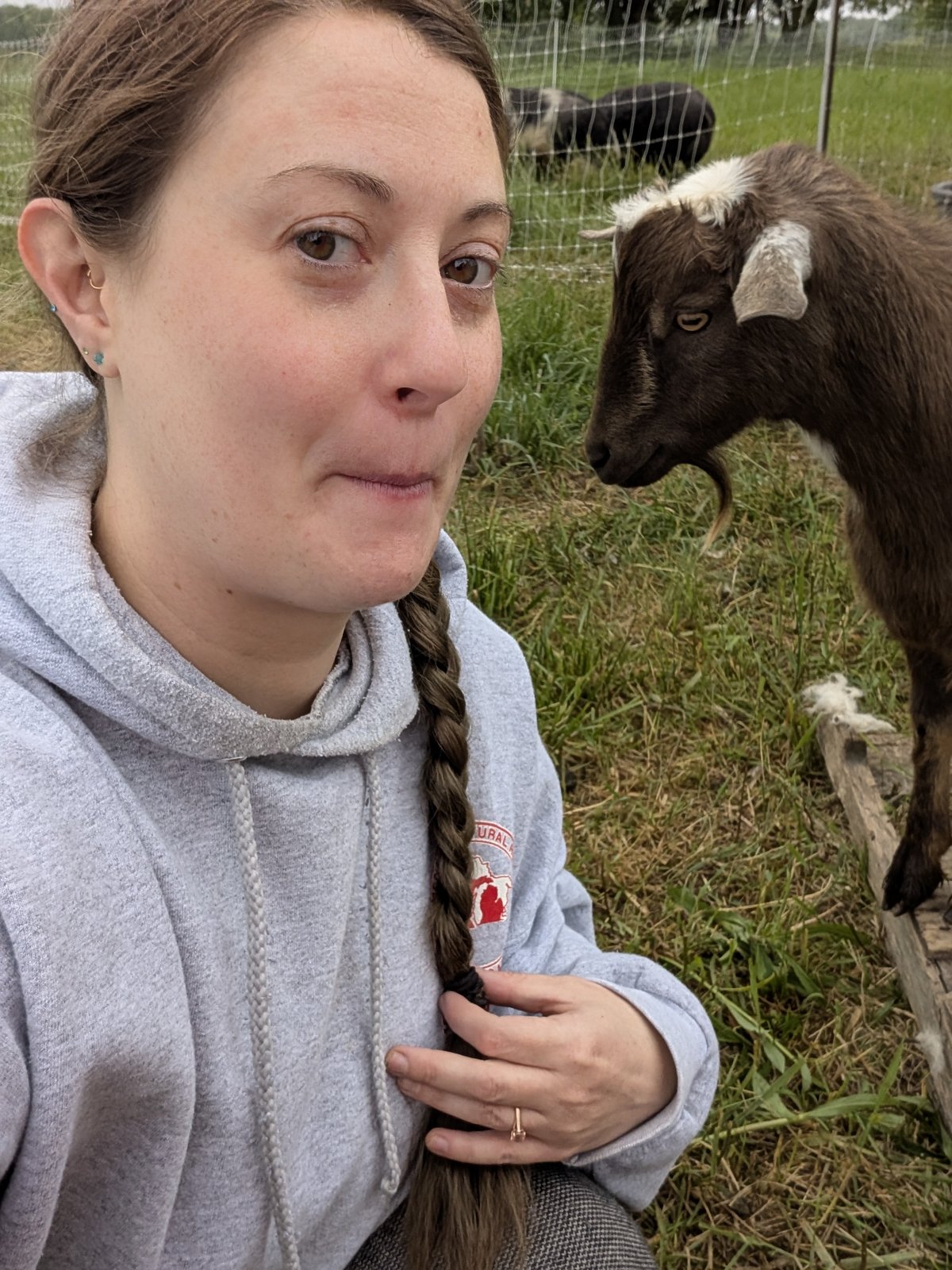
Crop Circuit is being designed around real animals, real land, and the work they actually require.
I don't want Crop Circuit to become a perfectly manicured internet farm where everything magically works.
Because farms don't work like that.
Life doesn't work like that.
I want to document the messy middle.
The things that fail.
The things that unexpectedly work.
The decisions we regret.
The animals who completely ignore whatever brilliant system I designed for them.
The technology that breaks.
The plants that surprise us.
The economics.
The ecology.
The behavior.
The actual process of trying to build something alive.
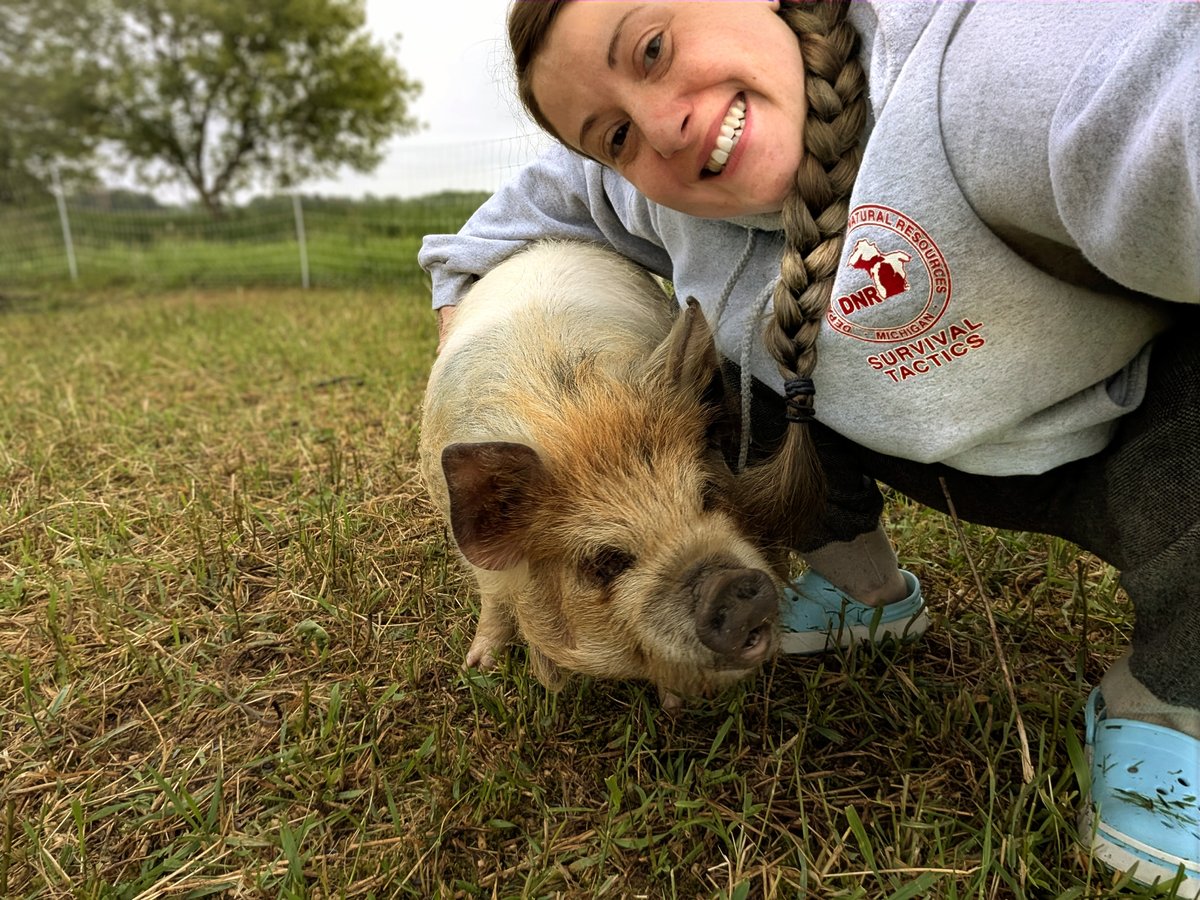
That messy middle is the story I want to tell honestly.
There is another reason I'm doing this publicly.
I think agriculture is standing at a very strange crossroads.
We have astonishing technology now.
Artificial intelligence.
Computer vision.
Cheap sensors.
Robotics.
Automation.
Open-source software.
Tools that would have belonged in a university laboratory twenty years ago can increasingly be built by a weird person in a barn.
That creates possibilities far beyond industrial agriculture.
I am especially interested in what these tools can do for small farms.
For the person with ten acres.
Or twenty.
Or two.
For someone raising animals thoughtfully but drowning in repetitive labor.
For someone trying to regenerate damaged land.
For someone who wants better information without turning their farm into a factory.
Technology doesn't have to make agriculture less human.
Used carefully, I think it can make farming more attentive.
More observant.
More responsive.
Maybe even more compassionate.
And Crop Circuit is also, unapologetically, an experiment in building a life.
I spent a long time following paths that already existed.
School.
Jobs.
Uniforms.
Schedules.
Institutions.
Some of those experiences shaped me profoundly, and I'm grateful for them.
But at some point I realized I didn't want to spend my entire life fitting myself inside systems other people had designed.
I wanted to build one.
A place where the things I've loved separately my entire life could finally exist together.
Animals.
Ecology.
Behavior.
Technology.
Art.
Agriculture.
Teaching.
Experimentation.
And a little bit of beautiful weirdness.
So that is what I'm trying to do.
Not because I know exactly how it ends.
I absolutely do not.
I'm doing it because the question feels worth following.
If you've known me on Twitter for years, you've probably already watched pieces of this creature slowly assembling itself.
Thank you for being here through all of my strange evolutionary stages.
And if you're new:
Welcome.
You don't need to be a farmer.
You don't need to understand robotics.
You don't need to know anything about soil.
You just need to be curious about what happens when humans stop asking,
“How do we control nature?”
and start asking,
“How do we build systems that can listen to it?”
That's the question behind Crop Circuit.
We're going to try to answer it one pasture, sensor, animal, mistake, experiment, and extremely ambitious farm project at a time.
I'm glad you're here.
— Casey